Multi-Level Deck Designs: Maximize Your Outdoor Space's Potential
Multi-level deck structures present a practical solution for optimizing outdoor living environments. They create separate areas for various activities, from entertaining to relaxing. These installations accommodate challenging landscapes while boosting the aesthetic value of a home. With a range of materials available, residents can strike the perfect harmony between design and resilience. The value reaches far beyond outward appearance, prompting a closer look at how these designs can transform outdoor living. What potential discoveries remain?
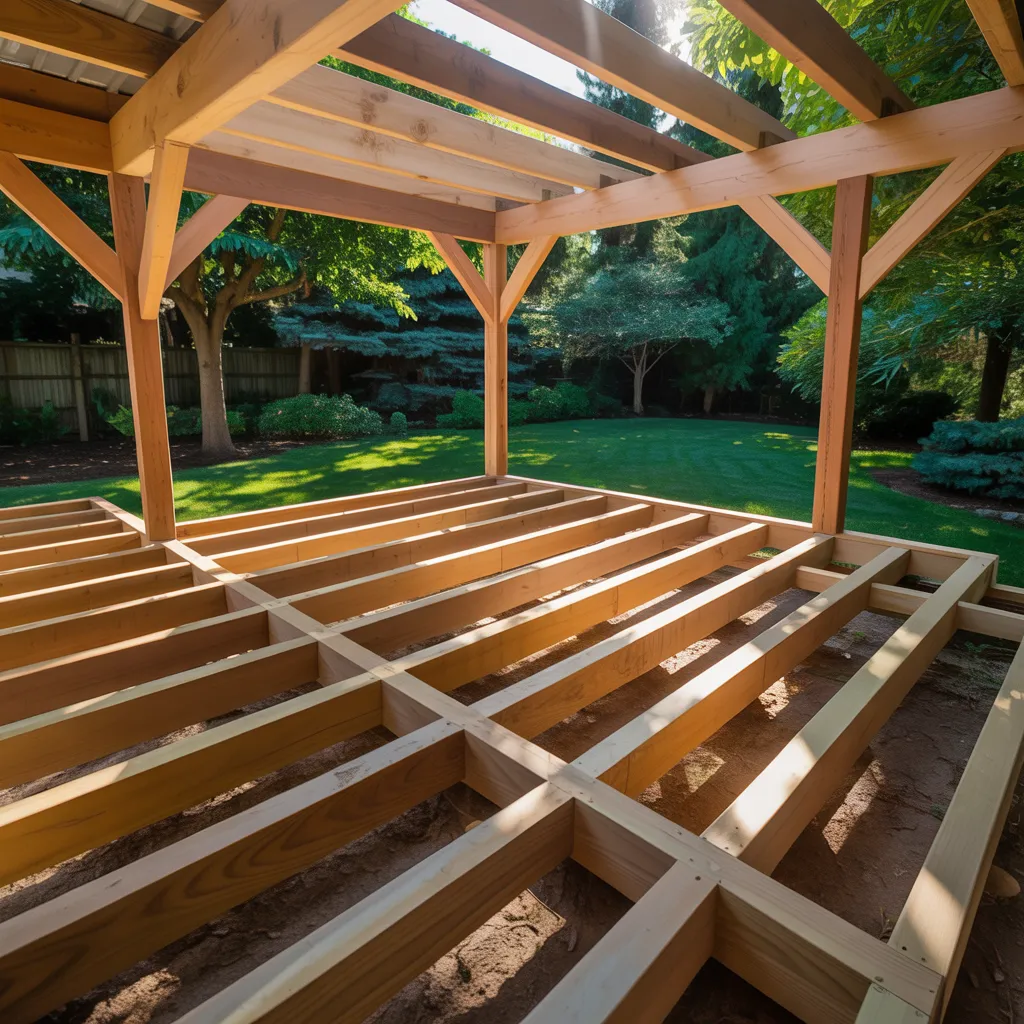
Reasons to Consider Multi-Level Decks
When homeowners seek to enhance their outdoor living space, multi-level decks frequently stand out as an attractive choice. These designs offer an exceptional chance to study establish separate areas for different activities, allowing for a more organized and functional environment. By including varied elevations, homeowners can easily designate areas for dining, lounging, or gardening, creating an environment suited to numerous requirements.
Moreover, multi-tiered decks can enhance the overall appearance of a home, providing a striking appearance through varying heights and shapes. This design strategy can also help to maximize surrounding vistas, developing appealing observation spots for rest or social gatherings.
Furthermore, they are able to handle challenging topographies, allowing homeowners to take full advantage of irregular or sloped land. Ultimately, multi-level decks offer a creative answer for homeowners looking to expand their outdoor living spaces while enhancing both practicality and aesthetics.
Top 5 Benefits of Multi-Level Decks
Tiered decks present a range of advantages that can greatly enhance outdoor living spaces. Initially, they provide distinct zones for multiple purposes, such as entertaining, unwinding, or enjoying meals, allowing homeowners to optimize their outdoor areas. Additionally, the raised design can enhance sightlines and sunlight exposure, producing a more welcoming environment. Third, multi-story configurations can adapt to sloping landscapes, turning problematic yards into practical outdoor spaces. Beyond that, they can boost home value, adding desirability for future buyers. Lastly, the flexibility of tiered decks allows for innovative outdoor enhancements, such as incorporating garden features, seating areas, or fire pits, which can greatly improve the overall appearance. Together, these advantages create a highly functional, visually appealing, and enjoyable exterior space, positioning multi-level decks as a top selection for homeowners aiming to get the most out of their exterior living spaces.
Optimal Materials for Your Deck
Picking the best materials for a deck is crucial, as it substantially affects both appearance and longevity. Frequently used options are wood, composite, and PVC. Solid wood, such as redwood or cedar, delivers a traditional look but demands regular upkeep to guard against rot and warping. Composite decking, made from a mixture of wood fibers and plastic, deliver a combination of aesthetics and durability, preventing fading and splintering.
PVC decking stands as another resilient alternative, featuring a broad variety of colors and styles while being entirely resistant to moisture and insects.
In selecting materials, sustainability should also be factored in, as eco-friendly options; eco-friendly choices can reduce the impact on the environment. In the end, the choice of deck material should align with the property owner's lifestyle, budget, and design preferences, to ensure a visually stunning and long-lasting outdoor environment.
Designing Relaxation and Entertainment Areas
Across multi-level deck configurations, creating distinct relaxation and entertainment zones improves the outdoor living experience. Purpose-built lounge zones offer a peaceful retreat for relaxation, while flexible dining areas accommodate gatherings and meals. Careful consideration of these areas optimizes comfort and practicality.
Dedicated Lounge Zones
Designing purposeful lounge zones within multilevel deck structures turns exterior spaces into appealing havens for rest and recreation. These spaces can feature cozy seating, soft lighting, and ornamental accents that enhance the overall aesthetic. By strategically placing furniture, such as plush sofas, chaise lounges, and hammocks, residents can craft cozy environments that promote togetherness or quiet reflection.
Incorporating features like decorative fire and water elements can substantially enrich the environment, providing a sense of warmth and peace. In addition, deliberate greenery around these spots can establish seclusion and a feeling of privacy from adjacent zones. All in all, purposeful lounging spaces stand as fundamental aspects in layered deck configurations, providing multifunctional zones for unwinding and enjoying nature.
Versatile Dining Spaces
Strategically placing dining zones at different levels creates distinct atmospheres, fostering a sense of calm and community engagement. Using durable, weather-resistant materials guarantees longevity while maintaining visual appeal. Additionally, integrating lighting options, such as string lights or lanterns, enhances the ambiance for evening gatherings. Ultimately, these thoughtfully designed dining spaces transform outdoor environments into multifunctional retreats, fostering connection and enjoyment among family and friends.
Landscaping Ideas to Enhance Your Deck
Improving a multi-level deck can convert it to a vibrant outdoor space. Integrating upright garden features, decorative garden boxes, and atmospheric lighting options produces visual interest and functionality. These landscape additions not only beautify the area but also elevate the overall experience of enjoying the deck.
Vertical Garden Setup Services
Vertical garden setups can dramatically improve outdoor deck areas, offering both aesthetic appeal and functional benefits. These vertical gardens incorporate mounted planters or trellis systems, allowing homeowners to cultivate a variety of plants without sacrificing valuable floor space. This innovative approach not only elevates the aesthetic quality of a deck but also supports a healthier setting by enhancing air quality. Furthermore, vertical gardens can serve as natural privacy barriers, creating a more intimate outdoor experience. Their flexibility enables the integration of herbs, flowers, or even vegetables, accommodating individual preferences and gardening objectives. By implementing these systems, homeowners can establish a vibrant, welcoming environment that enhances the overall character of their multi-level deck layout.
Stylish Decorative Planter Boxes
Incorporating ornamental planter boxes into a multilevel deck can further elevate the outdoor environment, complementing the lush greenery from vertical garden setups. Such planter boxes fulfill both utilitarian and decorative roles, creating visual interest at varying heights. Available in a range of materials, such as wood, steel, or porcelain, they can be tailored to match the deck's design. Placing them strategically—along railings, steps, or corners—makes the most of the space while enhancing the overall ambiance. Moreover, including seasonal blossoms or perennial plants provides lasting seasonal charm. Planter boxes may further be utilized to delineate spaces, directing flow and establishing cozy environments for relaxation or entertainment. Ultimately, they support a balanced fusion of nature and architecture within the multilevel deck setting.
Ambient Light Solutions
Since a multi-level deck offers a remarkable visual setting, ambient lighting options are crucial in converting the area into an inviting nighttime sanctuary. Carefully arranged LED lights along the railings or embedded into steps boost security while generating a warm radiance. Suspended string lights above can introduce a charming element, ideal for social events. Sun-powered lanterns placed around the deck's edges provide eco-friendly lighting, enhancing the natural environment. Additionally, recessed lighting in built-in seating areas invites relaxation under the stars. By combining multiple lighting solutions, homeowners can establish a comfortable setting that prolongs the enjoyment of their outdoor living space, turning it into a treasured gathering spot for family and friends long after the sun goes down.
Optimizing Safety and Accessibility on Your Deck
To guarantee a safe and accessible outdoor space, thoughtful planning and design elements are critical for multi-level decks. Installing non-slip surfaces is important, especially in moisture-prone zones. Railings should be mounted across all levels, making sure they comply with local building regulations for height and strength. Moreover, ramps can boost usability for those facing mobility difficulties, creating an easier passage between different levels.
Strategically placed landings can serve as rest areas, making navigation through the deck easier. Wide pathways foster movement, accommodating wheelchairs or strollers. It is also advisable to minimize sharp corners and protruding elements to lower the likelihood of injuries.
Safe emergency exit routes ought to be a priority, with unobstructed routes leading to emergency exits. Routine inspection schedules are able to help identify safety risks, such as loose boards or unstable railings. By prioritizing safe and accessible design, multi-level decks can become enjoyable spaces for people of all abilities.
Illumination and Accessories for Multi-Level Decks
Enhancing the ambiance and functionality of multi-level decks comes down to intentional lighting and design elements. Proper lighting not only boosts safety when used at night but also cultivates an enchanting outdoor setting. Options such as lanterns, string lights, and recessed stair fixtures serve to accentuate design elements while offering adequate light. Solar-powered lights present sustainable alternatives, delivering power efficiency without giving up design elegance.
Alongside lighting, accessories serve a vital function in customizing the area. Consider incorporating outdoor rugs, cushions, and decorative planters to enhance comfort and aesthetic appeal. Weather-proof materials ensure durability, while vibrant colors can enliven the environment. Fire pits or tabletop heaters can extend usability into cooler evenings, offering heat and a natural focal point. With deliberate selection of lighting and finishing touches, homeowners can turn their multi-level decks into dynamic, welcoming retreats for unwinding and hosting guests.
Creative Two-Story Deck Designs for Your Property
Many homeowners are discovering the advantages of multi-tiered decks, which offer a unique blend of utility and visual elegance. An exciting concept is to create distinct zones for dining, lounging, and gardening, enabling a variety of outdoor activities. A tiered design can naturally accommodate a jacuzzi on the upper tier, while bottom levels can include inviting seating arrangements complemented by rich natural plantings.
Incorporating custom-built planter boxes and seating areas can optimize space while enhancing the overall design. Another creative approach utilizes using various materials, such as natural wood and composite materials, to visually distinguish each level.
For properties featuring scenic views, strategically placing a observation deck can provide an excellent space for unwinding. Moreover, installing a fire pit on a lower level can cultivate an inviting setting for evening gatherings. These ideas not only improve the overall outdoor environment but also greatly enhance the home's worth.

Questions We Often Receive
How Should I Care for a Multi-Level Deck Over the Years?
To maintain a multi-level deck over time, conduct routine inspections for damage, clean all surfaces, use protective sealants, ensure adequate drainage, and address any structural issues promptly. Regular upkeep prolongs the deck's life and maintains its visual appeal.
What Permits Are Needed for Building a Multi-Level Deck?
To build a multilevel deck, homeowners typically require permits for construction, electrical work, and possibly zoning. Municipal regulations differ, so consulting the local building authority guarantees compliance with safety and structural standards.
Is It Possible to Add a Hot Tub to My Multi-Level Deck?
Indeed, a hot tub may be incorporated to a multi-level deck. Keep in mind that, the overall structural soundness must be evaluated, and local regulations and building permits should be complied with to guarantee safety and compliance during installation.
What Are the Expenses Involved in Multi-Level Deck Construction?
The expenses related to building a multi-level deck generally fall between $15 and $30 per square foot, based on the materials used, design complexity, and labor costs. Further expenditures may result from permit fees, utility work, and landscaping needs.
What Should I Look for When Choosing a Contractor for My Deck Project?
Identifying the right contractor entails examining credentials, evaluating previous work, requesting multiple estimates, and contacting references. Strong communication and a clear understanding of the project scope are also essential for a successful collaboration and completion.